Prepare in a Year 26: Food
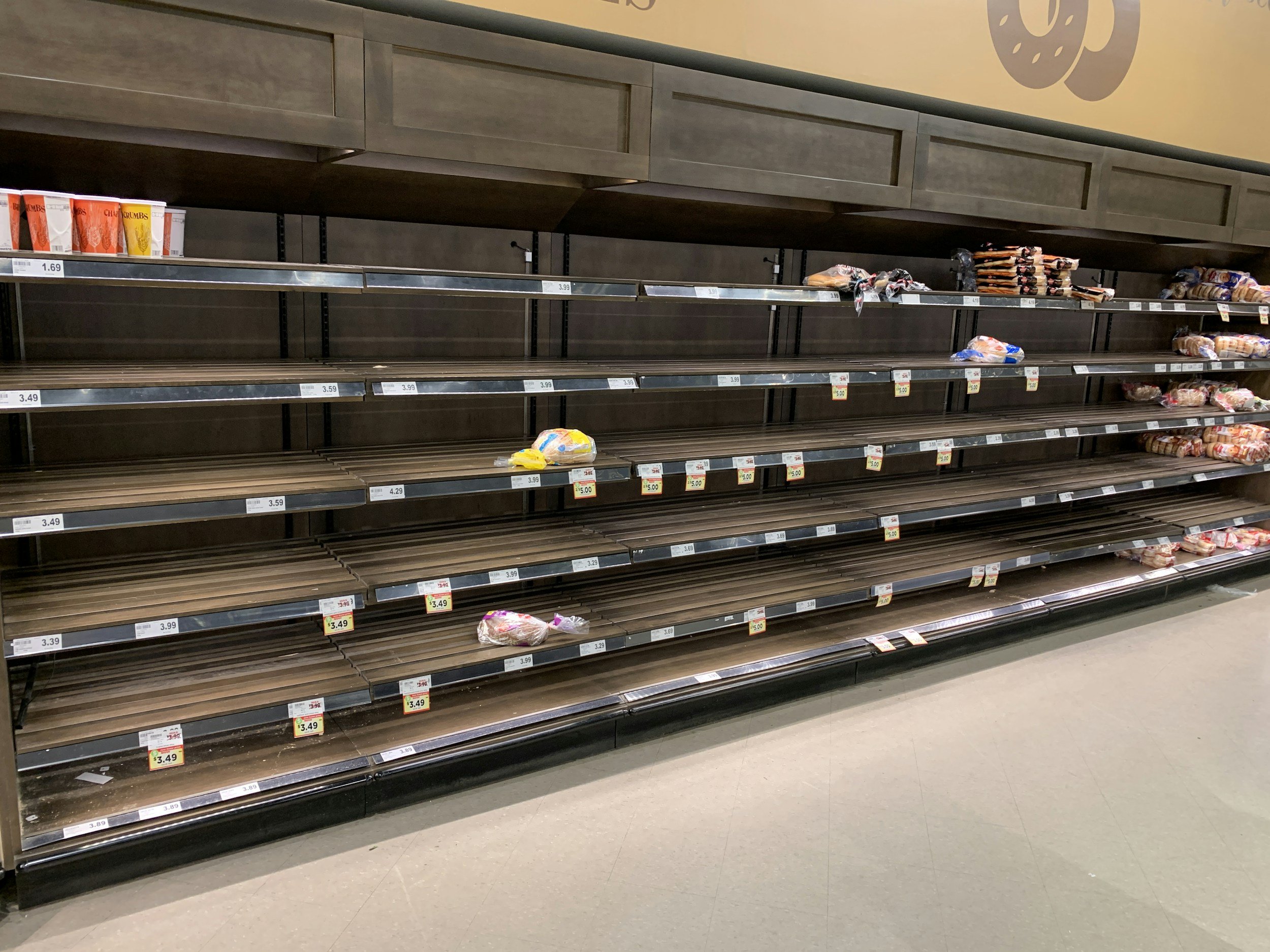
The second most-important supply, after water, is food.
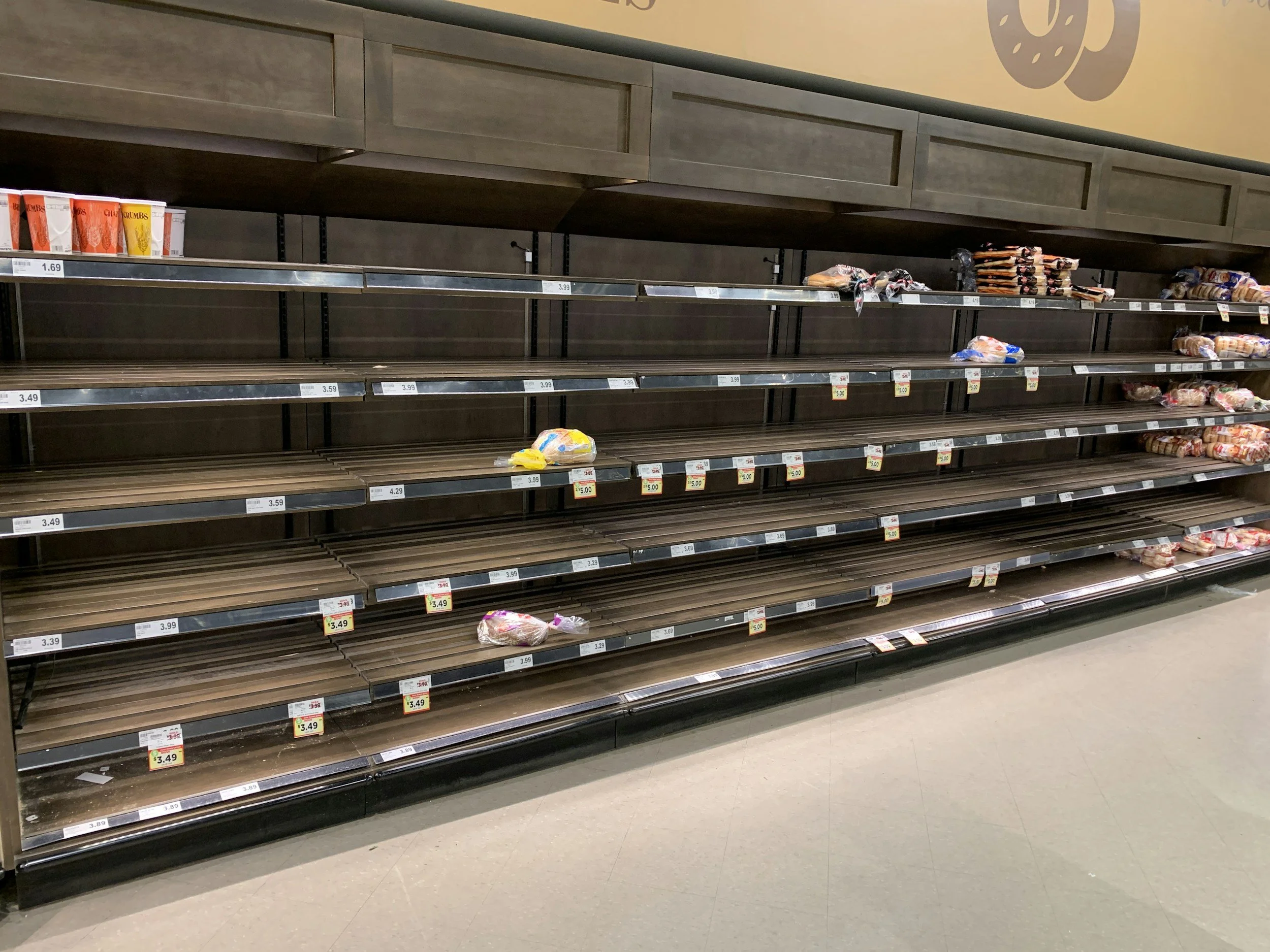
In a disaster, grocery stores will likely be closed for a while. But even if they are able to open, their supply will be cleared out quickly, and the disaster may make it impossible for stores to restock their shelves right away.
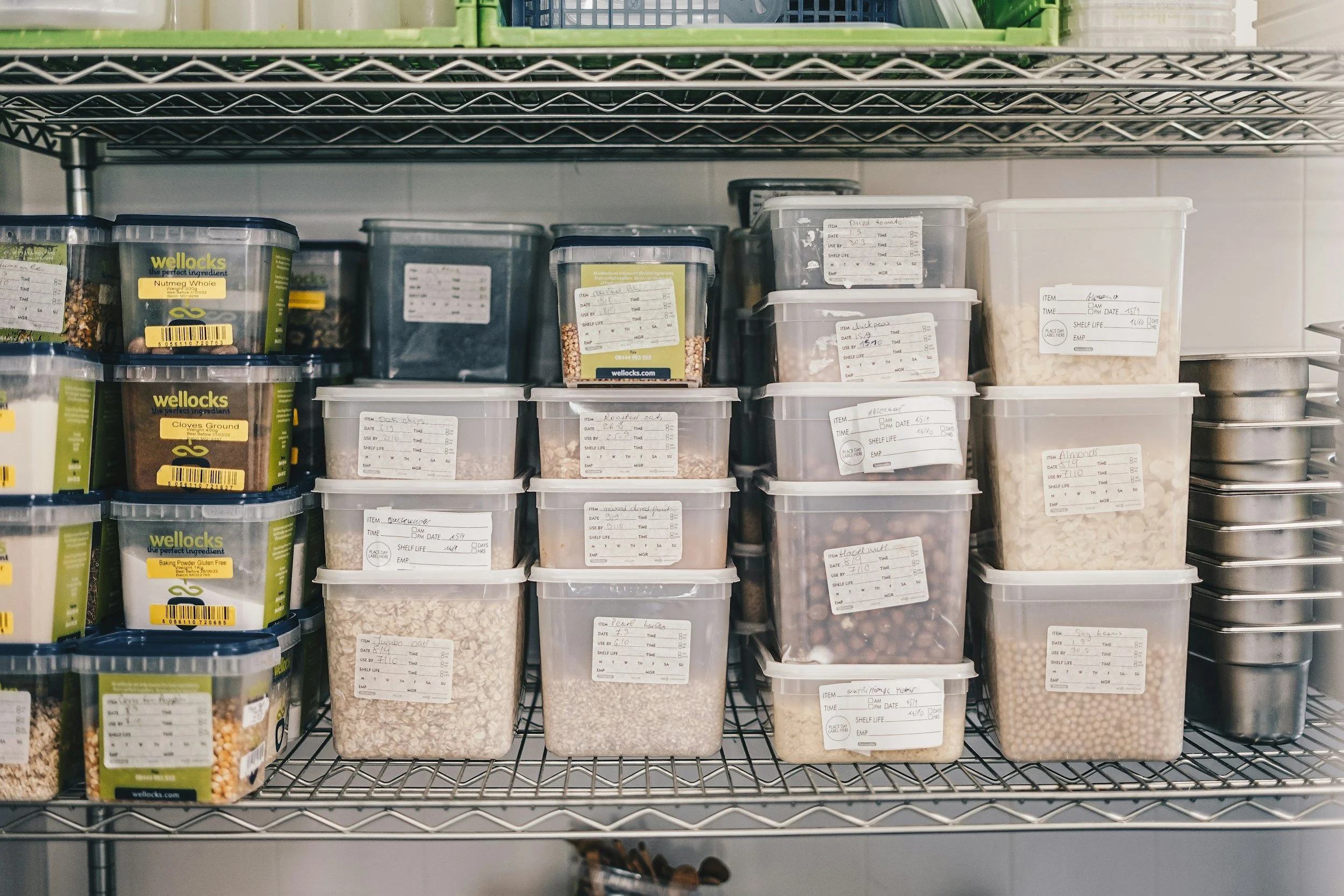
The food category can be a little challenging because food expires. The trick is to rotate your supply, eating and then replacing foods that are soon to expire.
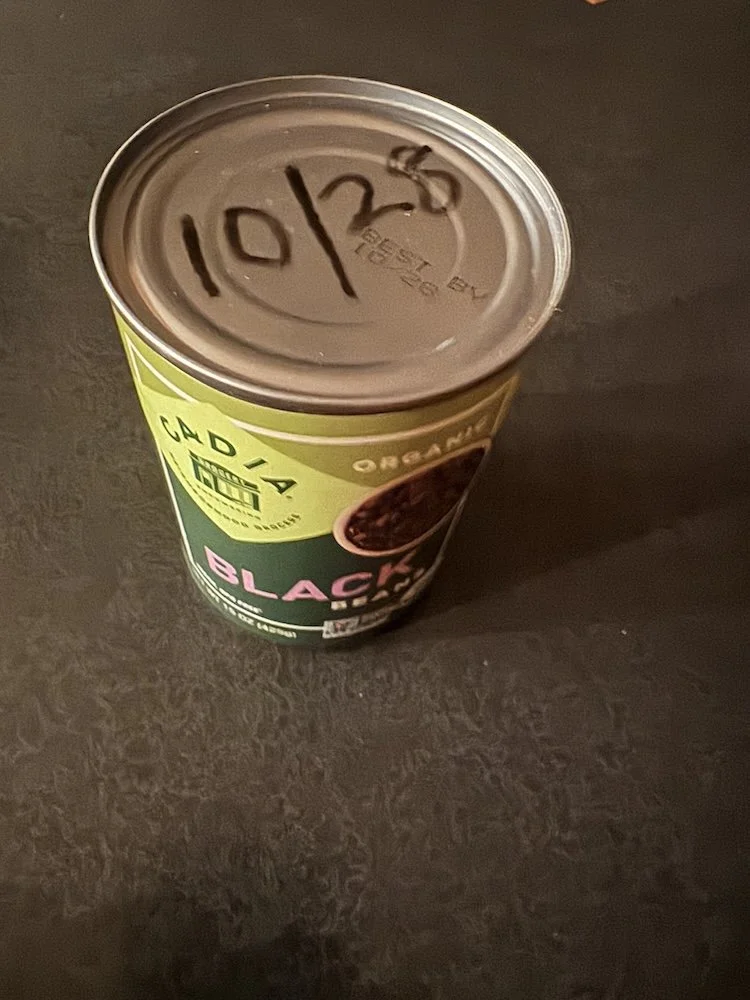
Tip: Mark the expiration date of all food in your supply in an easily seen place with a Sharpie. That way it will be simple to see and check what food needs to be rotated out.
The Goal
The goal is to store 30 days of food for every person in your household, including animals.
The Strategy
To build your emergency food supply, consider any or all of four options:
Dehydrated meals. These are sold by companies specifically for emergencies.
They tend to have a long shelf life—more than 25 years.
They are easy to prepare and store.
They can be expensive and light on calories.
You can buy them in amounts corresponding to the anticipated time of need, like four weeks.
They vary in flavor—you should always sample a company’s food before buying in bulk.
There are many manufacturers to choose from including Cascadia Ready, Readywise, Emergency Essentials, and Mountain House.
Find them online by typing emergency food supply in the search bar of your browser.
MREs (Meals Ready to Eat). These are emergency rations sold commercially.
They have a medium shelf life, about five years.
They require no preparation.
They tend to be high in calories.
They are very expensive.
They can cause constipation.
Packaged food from the grocery store. This food is what you likely already prepare, like cooked grains or canned beans minus staples that don’t last long, like bread and cow’s milk. Don’t forget your fridge. In a disaster when the power goes out, eat the food in your fridge first. Then eat the food in your freezer. Then turn to your pantry and emergency supply.
It requires a little preparation.
It lasts from six months to about two years.
It’s relatively inexpensive.
It’s easy to store.
You have to rotate out your supplies frequently.
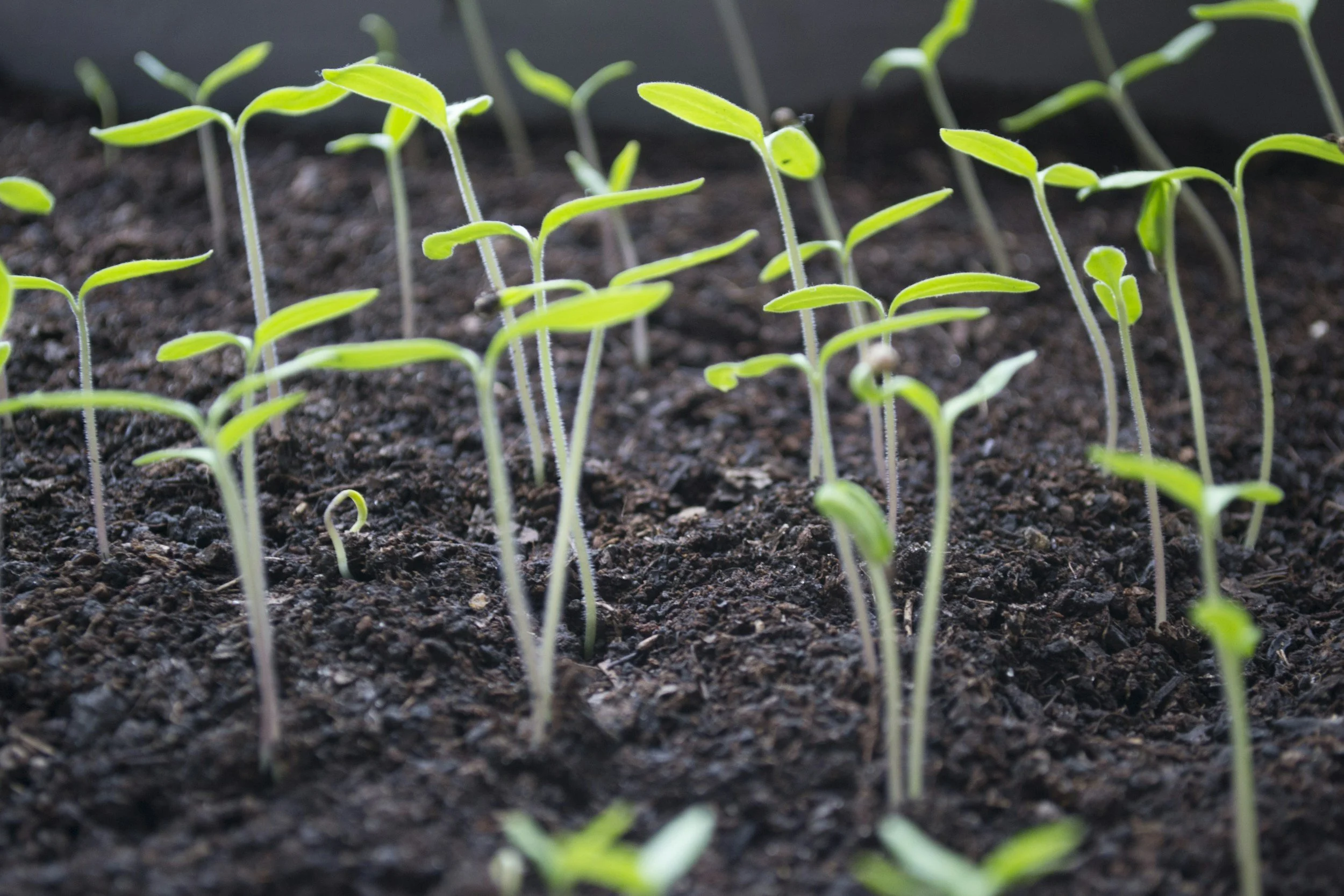
Food from your own garden. Growing your own food on your patio or balcony, in your garden, or in a community garden or Pea-patch is an extremely economical way to ensure you have food during emergencies. Raising egg-laying chickens will ensure you have plenty of protein as well.
This food requires more work.
It’s inexpensive.
You can eat it fresh.
It tastes good.
The supply is theoretically unending.
Storing it requires canning, dehydrating, pickling.
Recommendations
Store a mix of emergency food types and grow a garden.
Our partner Cascadia Ready sells readiness kits that include food. Every sale donates 5 percent to Bainbridge Prepares.
Prizes
Have you finished the February task? Submit proof of your accomplishment and enter to win a prize.
Level Up
Was this task a breeze? Take it to the next level—Advanced or Pro. Read more here.
Read more about food on our Food Team page.
Team Player
Don’t go it alone. Work with other family members or neighbors to prepare. For this category, consider creating a neighborhood garden so you can all grow food together.
Learn More
Emergency Preparedness: Food
Tuesday, February 17, 2026
6 PM–7 PM
Bainbridge Public Library
Preparedness is the cornerstone of community resilience. Are you ready? Disaster can come in many forms, and preparing yourself, your family, and your community is one of the most important things you can do. Bainbridge Prepares, the Bainbridge Island Fire Department, and the City of Bainbridge Island collaborate to bring us a monthly series that will cover a variety of topics including: water, sanitation, hygiene, food, communications, and more.
Please register for a free ticket, available two weeks before the event.
Veg Club: Consider joining the Food Resilience Team’s Veg Club to learn about growing food.