See ‘Women’s Work’ and Support Friends of the Farms
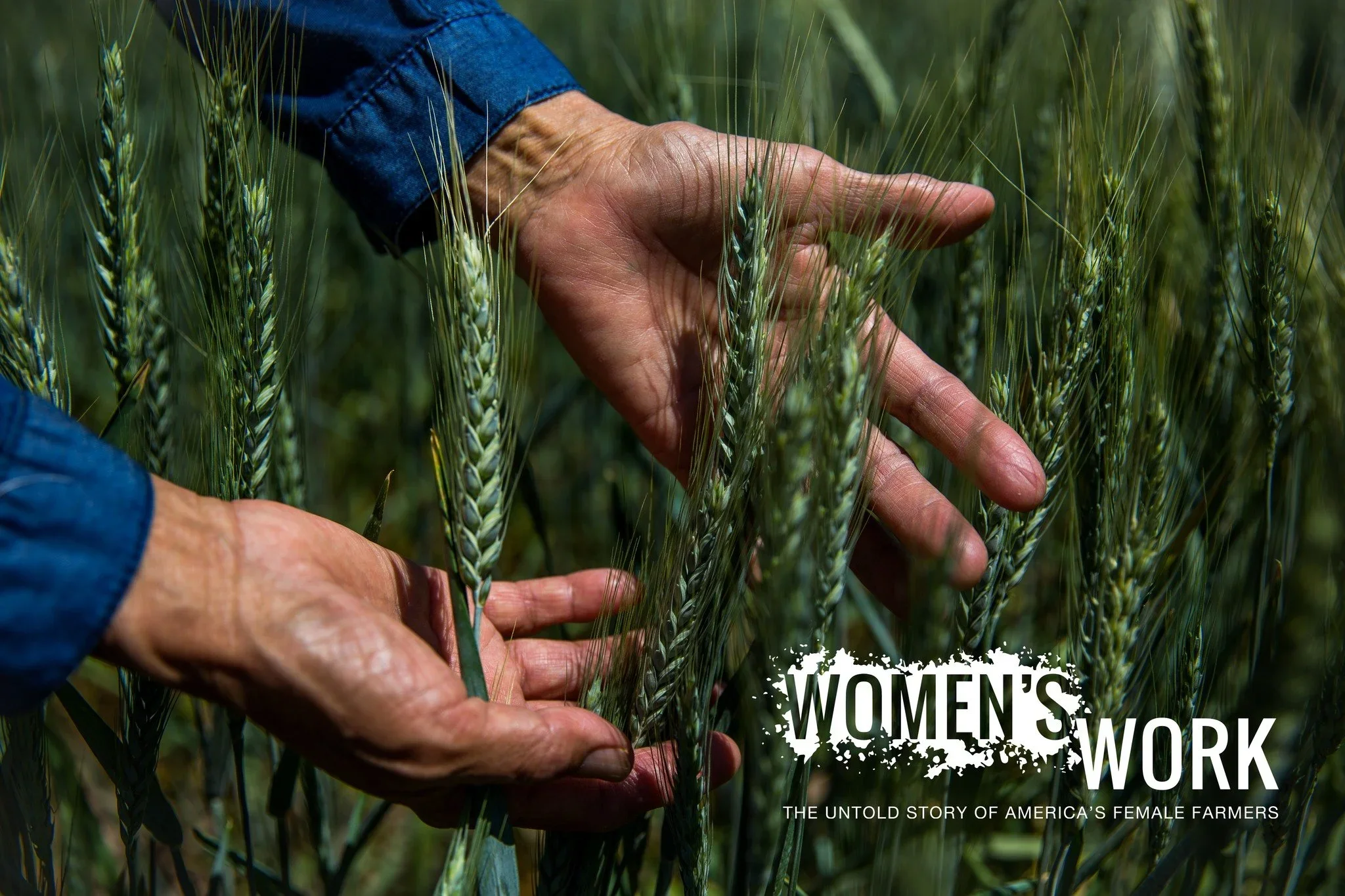
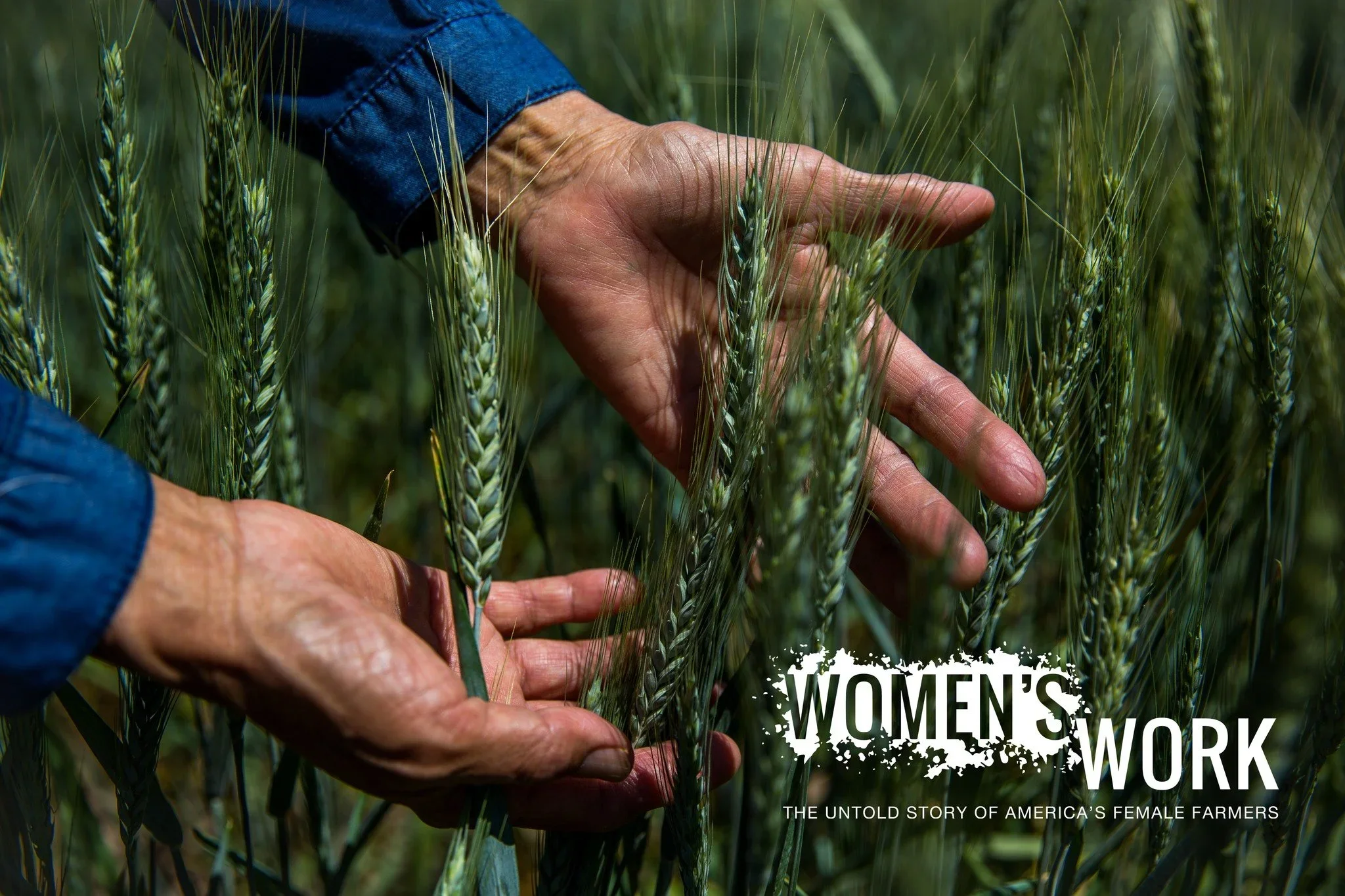
Women’s Work: The Untold Story of America’s Female Farmers sheds light on an essential history. The movie, which came out in 2024, focuses on the largely unknown and hidden experience of women farmers, especially Black, Indigenous, Latina, Asian, and Queer women farmers.
The filmmakers traveled across the country to capture the voices and stories of eighteen women farmers in states ranging from Alaska to Florida to Washington to Arizona.
Watch the film on Sunday, April 19, at 7 p.m. at the Lynwood Theatre and support our local Friends of the Farms, which launched the successful Share the Harvest program to help local farmers and address food inequity.
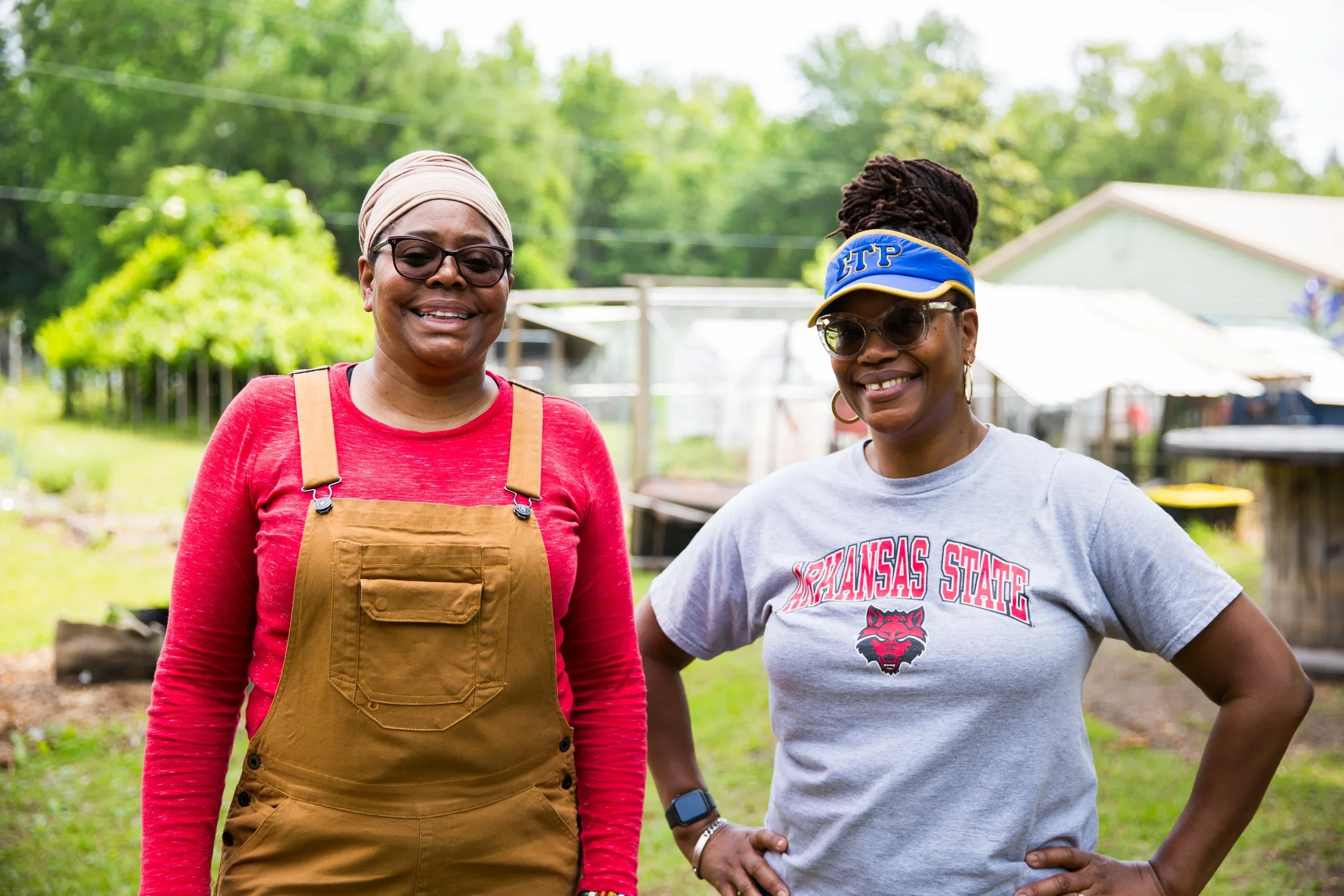
Two Georgia farmers featured in the film
Backstory
Women weren’t even included in the USDA Census until 1978, meaning that no one knew how many women were farmers until then. Despite their roles in working and managing the land, until 1974 women couldn’t get a credit card, apply for a loan, or even open a bank account on their own. Nevertheless, if a male farmer died, his wife was responsible for paying taxes on the land that her husband had owned.
According to The State of Gender Equity in U.S. Agriculture, published in 2024 by the American Farmland Trust,
Women farmers face greater economic struggles.
Women farmers receive less government support.
Women farmers are more at risk of violence and discrimination.
Women farmers have difficulty accessing childcare in rural areas.
Women run farms that are about half the size of the farms men run.
Women farmers make 151 percent less farm income than do men farmers.
Women and particularly women of color are underrepresented in benefiting from USDA’s most critical conservation and farm viability financial resources.
Women experience discrimination in and exclusion from farmer networks.
Agricultural equipment, tools, and training are designed for men.
Women tend to be lead decision makers in the production of crops that are less supported by government incentives and insurance programs.
Women are underrepresented as lead decision makers on American farms.
Queer farmers who identify as women experience greater challenges than other women farmers.
Get Tickets
Buy Tickets to see Women’s Work here. A panel discussion will follow the film including a Q&A with Audra Mulkern, Executive Producer.